Video & SEO
Why Most Social Videos Are Watched on Mute (And What Captions Change)
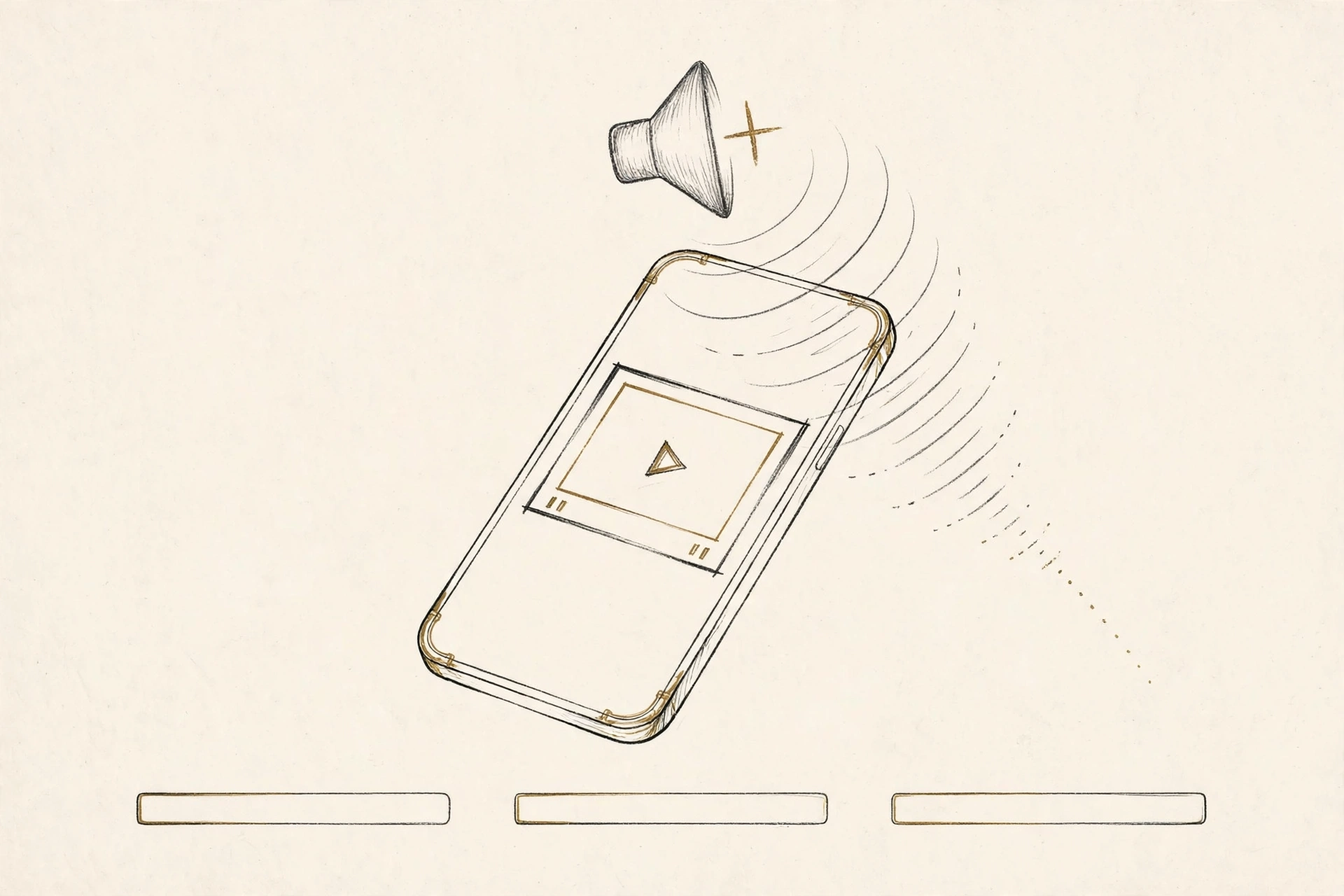
Picture the average viewer of your latest video. They are on a train, in a waiting room, or on a sofa next to someone who is asleep. Their thumb is scrolling, their phone is in their hand, and the volume is exactly where the platform put it: off.
This is not a fringe habit. For years now, silent viewing has been the default way people consume social video, and creators who plan for sound-off viewing keep viewers that everyone else loses in the first three seconds. The evidence for this is older and sturdier than most marketing claims, and it is worth knowing what it actually says.
The numbers behind silent viewing
The most quoted figure comes from Digiday, reporting in 2016 that as much as 85 percent of Facebook video views happened with the sound off, according to data from major publishers like LittleThings and Mic. It was a publisher-side measurement, not a platform-wide census, but it described the behavior of hundreds of millions of monthly views.
A few years later, Verizon Media and Publicis Media ran a more formal study of 5,616 US consumers, published in April 2019. Their findings: 69 percent of people reported watching videos without sound in public places, and 25 percent did so even in private settings. The top reason given, at 38 percent, was simply being in a quiet space.
Two honest caveats about these numbers, though. First, they are old, and the exact percentages have surely shifted as platforms and habits evolved. Second, the direction has never reversed. Every platform still autoplays muted by default, and every creator analytics dashboard still shows the same pattern: a large fraction of your audience will never hear a word you say unless you give them the words another way.
Why the sound stays off
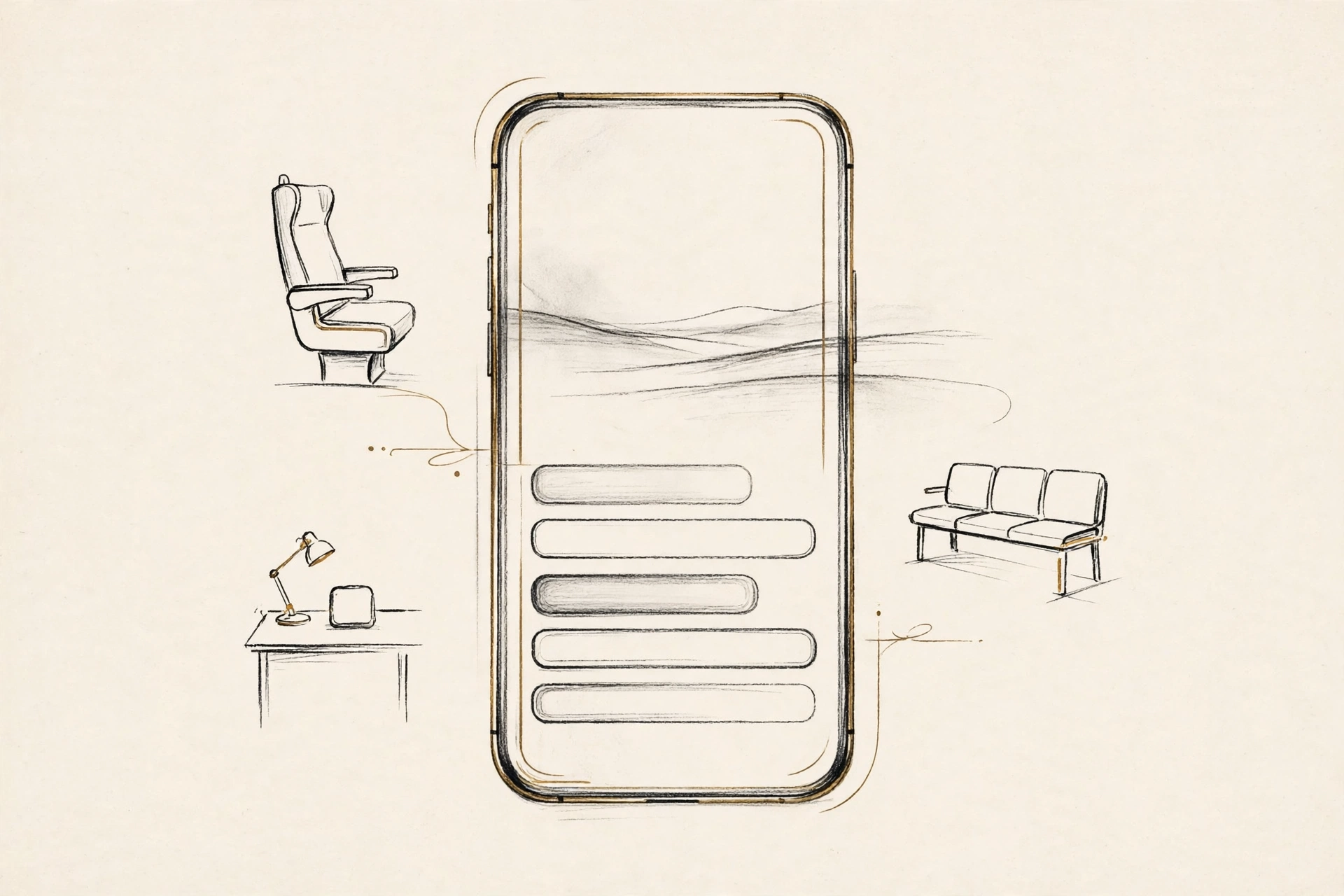
Muted viewing is not a protest against audio. It is a practical response to circumstance. People watch video in shared offices, on public transport, in bed next to a sleeping partner, or while waiting for a meeting to start. Sound, in these moments, is a social cost. The Verizon and Publicis research put it well: audio has become circumstantial rather than guaranteed.
Platforms built for this. Autoplay-without-sound is the default on nearly every feed, which means your video's first impression is always a silent one. The viewer decides whether to unmute, or keep scrolling, based entirely on what they see and read in the first couple of seconds. If the meaning of your video lives only in the audio track, that decision is made without any of your content.
There is also a quieter group worth remembering: people who keep the sound on but still read along. Viewers dealing with accents, fast speech, background music, or a second language lean on captions to catch what the audio alone does not deliver. A 2024 eye-tracking study in PLOS ONE found that viewers turn to subtitles for unclear audio, rapid speech, challenging accents, and the simple desire to focus. Captions serve the muted viewer and the listening viewer at the same time.
What captions actually change
This is where the research gets useful for creators, because it measures behavior, not just preference. The Verizon and Publicis study found that 80 percent of consumers were more likely to watch an entire video when captions were available. That is a completion figure, not a vanity metric: it means captions convert casual scrollers into viewers who stay to the end.
Platform-side research points the same way. Facebook found that captioned video ads increased average view time by around 12 percent. The same study measured an 8 percent lift in ad recall, a 10 percent lift in ad memory quality, and a 13 percent lift in brand linkage for captioned ads. These are advertiser numbers from a controlled setting, so treat them as evidence of a direction rather than a promise for your own videos. The direction, though, is consistent everywhere it has been measured.
The mechanism is straightforward. Captions remove the decision to unmute. A viewer who can follow the content silently has no reason to interrupt what they are doing, fumble for headphones, or risk bothering the people around them. You meet them where they already are instead of asking them to change their circumstances for you.
Designing for the silent viewer
Knowing that most viewing starts silent changes how you should build a video. A few habits follow naturally:
- Put the hook in the first three seconds, in text. The opening caption should carry the premise of the video, not just transcribe a greeting. “Here is why your sourdough keeps failing” beats “Hey guys, welcome back to the channel” for a viewer deciding whether to stop scrolling.
- Make captions part of the edit, not an afterthought. Short lines, sensible breaks, and timing that matches the speech keep silent viewers reading at a comfortable pace. A wall of text dumped on screen for ten seconds is barely better than nothing.
- Watch your own video with the sound off before publishing. If you can follow the whole thing and still want to keep watching, your captions are doing their job. If you feel lost, your silent viewers will feel worse.
None of this requires expensive software. A plain caption file with honest timing does the work. Here is what the first few seconds of a well-captioned video look like as data — an SRT file, which you can generate free in Captionbench and upload to YouTube, Facebook, or LinkedIn:
1
00:00:00,000 --> 00:00:02,400
Here is why your sourdough keeps failing.

2
00:00:02,400 --> 00:00:05,100
It is not the recipe. It is the water
temperature.
Short lines, timed to the speech, carrying the point. That is the whole trick.
Key takeaways
- Silent viewing is the default on social feeds: Digiday reported in 2016 that up to 85 percent of some publishers’ Facebook views were sound-off, and a 2019 Verizon Media/Publicis study of 5,616 US consumers found 69 percent watch without sound in public places.
- Sound is circumstantial — viewers are in quiet spaces, shared rooms, or on the move — so your video’s first impression is always silent.
- Captions measurably change behavior: the same 2019 study found 80 percent of consumers were more likely to finish a video with captions, and Facebook measured about 12 percent more view time on captioned ads.
- Design for silent first: put the hook in the opening caption, keep lines short, and preview your video with the sound off before you publish.
If your videos are currently going out without captions, generate a caption file free in Captionbench — it runs in your browser, and your footage never leaves your device.